Belvedair news
How to plan your budget for a turnkey eco-friendly home in Quebec
Planning the budget for a turnkey eco-friendly home is a crucial step that determines the entire project, well before choosing the plans or architectural style. There is no universal price for a new home, even when the surface area or model is identical. Each project is unique, as the land, infrastructure, architectural choices, and construction method directly influence the costs.
Whether the project is for a high-performance eco-friendly home for long-term living or a simpler residence for occasional use, the budgeting process remains the same: everything must be evaluated holistically, realistically, and transparently.
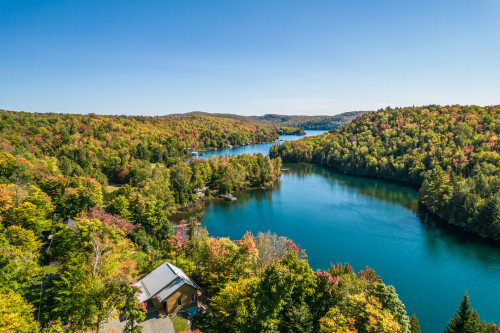
The budget for an eco-friendly home always begins with a thorough analysis of the land and infrastructure, as the same house will never cost the same on different plots of land. The topography, presence of rocks, natural slope, distance from the road, orientation, and soil quality directly influence the work to be done and, consequently, the overall budget for the project. Added to this are essential infrastructure such as the driveway, electrical connection, well, septic tank, or drainage field, the costs of which can vary by several thousand dollars depending on the specific location of the construction. A plot of land located a few dozen meters further from the road, or with specific geotechnical constraints, can result in significant additional costs, even if a direct neighbor paid less for similar installations.
This is why a site visit by an experienced professional is an essential step: it allows you to assess the actual feasibility of the project based on the proposed house design and to anticipate the most unpredictable budget items, particularly those related to excavation and infrastructure. This step, which is often underestimated, is nevertheless the financial foundation of the project and determines the consistency between the budget, the design of the house, and the reality of the construction site.
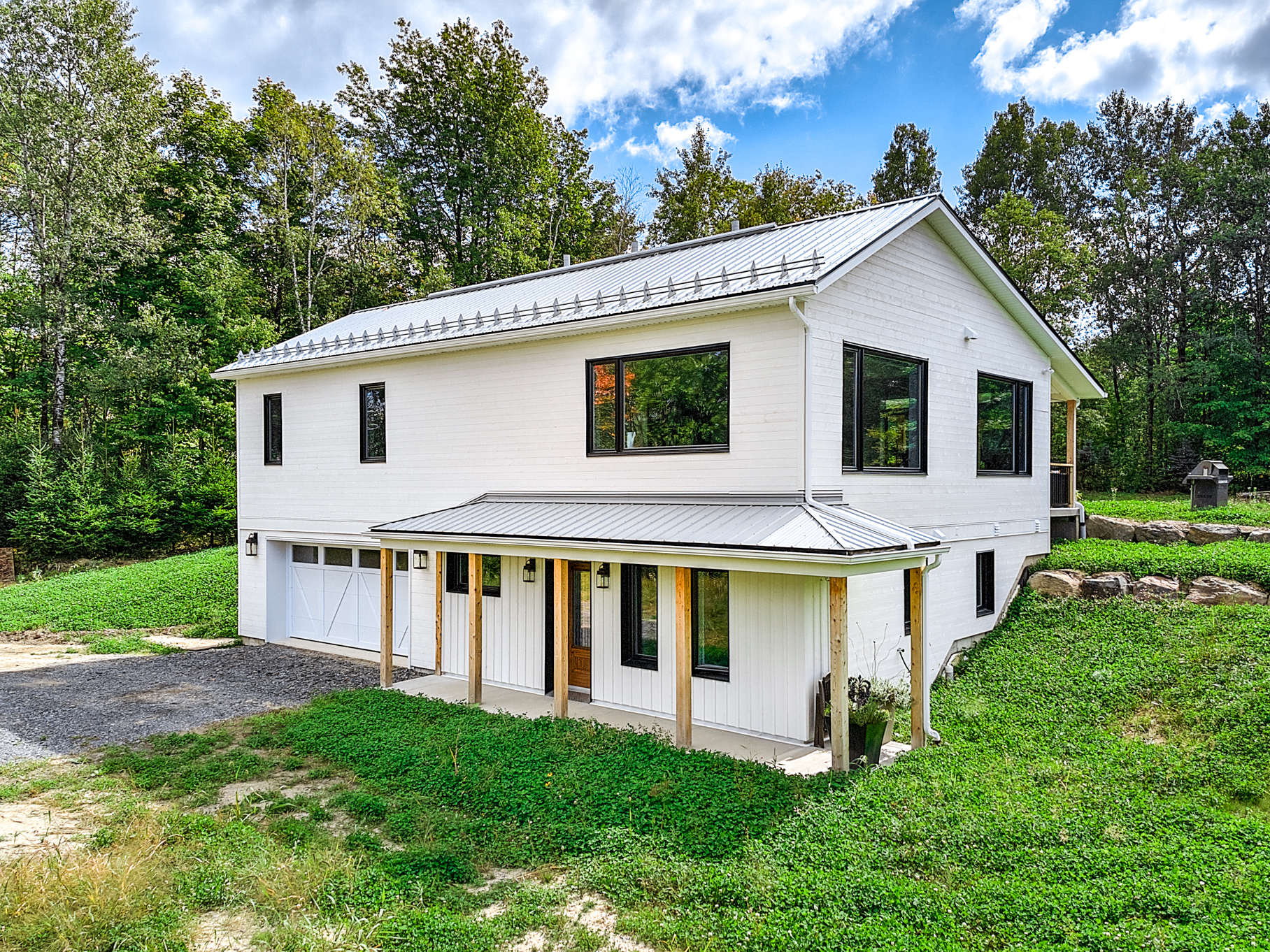
The cost of the home itself depends on the level of finishes chosen. A turnkey eco-friendly home includes all work up to delivery, including the customer's choice of finishes. This type of project offers a clear overview of the overall budget and limits the risk of cost overruns.
Conversely, a ready-to-finish home requires the creation of a separate budget for interior finishes. These choices have a major impact on the final cost: flooring, kitchen, bathroom, lighting, and storage can significantly affect the budget. Professional support allows you to prioritize choices based on real needs and project objectives.
At Belvedair, we offer both options to suit our clients' real needs.
Define your needs before defining your floor space
Before determining the floor space of your home, it is essential to clarify your needs and desires. The number of bedrooms, the presence of workspaces, a workshop, or a music studio, for example, as well as the versatility of the different areas, should guide the design rather than being based on a predetermined floor space. Functionality takes precedence over size: a well-designed home with optimized spaces offers comfort and practicality while keeping construction, maintenance, and energy costs under control, whereas excessive floor space leads to additional expenses for spaces that are sometimes rarely used.
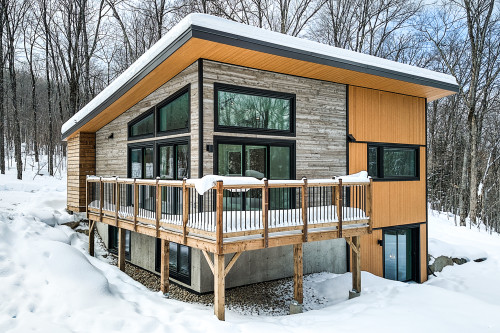
The type of house also plays a role in the budget, with single-story homes often chosen for accessibility, while a garden level or basement can reduce certain costs depending on the terrain. Architectural style also influences price: for example, a Scandinavian-style house may be more expensive due to its roofing and windows. Finally, the price per square foot is only an approximate reference: it must be interpreted taking into account what is included, as some estimates may exclude foundations, taxes, or infrastructure, giving an incomplete picture of the actual cost.
Our architecture team has designed optimized eco-friendly house plans, designed to offer welcoming living spaces while saving energy, without compromising on comfort.
Before starting to design a turnkey eco-friendly home, it is essential to validate your borrowing capacity through mortgage pre-approval. Banks and CMHC apply a higher stress rate than the actual rate to ensure that payments do not exceed approximately 34% of gross household income.
New construction often requires a higher down payment and financing through progressive disbursements at each stage of the project. The plan evaluation (market evaluation) may be conservative and lower than the actual cost, which may make it useful to obtain a second opinion to secure financing.
For a realistic budget, you need to factor in land, infrastructure, construction, finishes, taxes, and fees. Detailed budgeting tools, often offered by financial institutions, allow you to simulate different scenarios and adjust the project before making irreversible decisions, ensuring that architectural and technical choices meet financial constraints and sustainability goals.
Planning the budget for a turnkey eco-friendly home in Quebec requires a comprehensive and realistic overview of all expenses, from the land to the finishes, including infrastructure and financing. Each project is unique, and careful preparation allows you to anticipate costs, optimize space according to your actual needs, and ensure consistency between design, construction, and budget. By working with experienced professionals and reliable budgeting tools, you maximize your chances of creating a sustainable, functional home that suits your lifestyle, while keeping your investments under control.